August 5, 2026
This article introduces the evolving field of residential foundation repair, highlighting the modern strategies that homeowners and structural professionals can employ to ensure structurally sound, resilient homes. We will explore the root causes of underlying structural issues, delve deeply into contemporary diagnostic techniques, and provide insights on sustainable stabilization practices. Foundation issues are surprisingly prevalent and can significantly impact the long-term safety and financial integrity of your residential property. By understanding these environmental forces and employing modern solutions, property owners can safeguard their investments against rapid depreciation. This comprehensive guide aims to provide you with valuable information on the latest industry trends, innovative repair strategies, and proactive maintenance protocols essential for preserving home stability.
Understanding the Causes of Foundation Problems
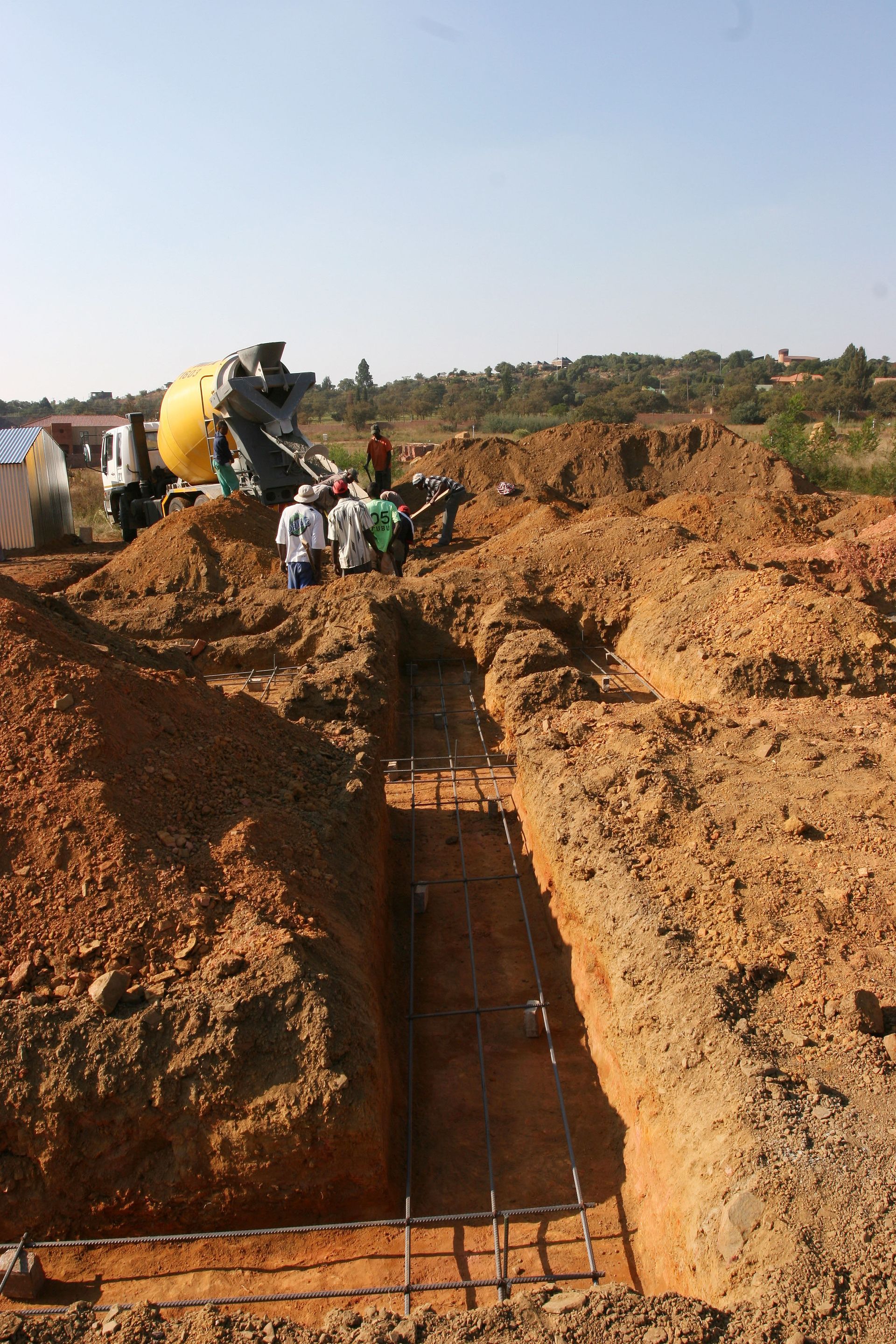
Poor construction practices represent one of the leading causes of early structural distress in modern residential buildings. When home builders fail to follow standard engineering protocols, it often results in compromised structural integrity that worsens over time. The use of subpar concrete mixtures, improper steel rebar placement, or inadequate site preparation can create major vulnerabilities within the concrete slab or basement walls. Over time, these initial contractor flaws become glaringly evident as the structure settles unevenly across its footprint. Ultimately, addressing these fundamental construction errors through early intervention can save homeowners significant structural headaches and unexpected financial expenses down the line.
Furthermore, a lack of proper engineering supervision during the initial excavation and pouring phases can severely exacerbate latent construction issues. Ensuring that qualified structural engineers oversee the entire construction process is crucial for long-term safety. Strict attention to technical detail, especially during the early stages of footers and grade beam preparation, can successfully prevent severe settlement complications decades later. Unfortunately, many unsuspecting buyers remain unaware of these hidden construction defects until visible drywall cracks or jamming doors begin to manifest. Recognizing the critical importance of strict adherence to regional building codes is essential for preventing premature structural failure.
According to Realty Times, unresolved foundation problems can significantly decrease a home's value, sometimes by as much as 20%. This stark reality underscores the massive financial impact that poor construction practices and ignored settling can inflict on a family's real estate portfolio. Property owners must remain highly proactive in identifying and addressing these emerging structural flaws before minor cracks escalate into full-scale failure. Investing in high-quality professional foundation repair at the very first sign of differential movement not only restores structural balance but actively protects your home's equity. Taking decisive action is a critical consideration for anyone building, maintaining, or selling a residential property.
The specific type of subsoil located beneath a home can also profoundly impact its long-term foundation stability. Expansive clay soils, for instance, act like massive sponges, absorbing moisture during heavy rainstorms and swelling dramatically to exert enormous lateral pressure against basement walls and slabs. Conversely, sandy or gravelly soils may wash away or fail to provide adequate vertical support if they were not properly compacted prior to construction. Understanding the exact soil composition of your parcel is essential for selecting appropriate foundation repair methods. Consulting with certified geotechnical engineers during the diagnostic phase helps mitigate severe structural risks associated with poor subsurface soil conditions.
Innovative Assessment Techniques
Laser leveling and electronic surveying represent a massive leap forward in performing accurate foundation repair assessments. This modern technology allows specialized technicians to detect subtle fractions of an inch in floor elevation shifts across a home's interior layout. Offering unparalleled measurement precision, digital laser tools eliminate human error from traditional site evaluations. Advanced surveying helps diagnose dangerous structural trends early, facilitating timely engineering intervention before catastrophic framing damage occurs. Tools such as electronic altimeters and laser theodolites are invaluable for establishing precise baseline elevations and continuously monitoring structural movement over extended periods.
Infrared thermography is another innovative diagnostic method used for detecting underlying foundation repair needs that remain completely invisible to the naked eye. This non-invasive technology identifies minute surface temperature variations that reveal hidden moisture build-up, subsurface water leaks, or expanding air voids within concrete slabs. By capturing thermal images of the lower wall assemblies and floor slabs, structural specialists can quickly isolate active water intrusion zones without tearing out drywall. Thermal imaging equips homeowners with deeper visual insights into their home's internal condition, ultimately reinforcing informed decision-making regarding necessary remediation procedures.
Structural Health Monitoring Systems (SHMS) represent the absolute cutting edge of ongoing residential foundation analysis. These permanent installations utilize digital stress sensors, tiltmeters, and crack-monitoring gauges embedded directly into the concrete framework to provide continuous real-time data regarding structural strain. By analyzing this stream of digital information, structural engineers can detect environmental shifting long before visual symptoms appear. Integrating continuous sensor monitoring allows property managers and homeowners to transition away from reactive emergency fixes toward highly calculated, proactive maintenance strategies that save money over time.
Performing a comprehensive soil composition analysis is equally critical for understanding how underlying earth materials respond to changing weather patterns. Modern geotechnical engineering incorporates both physical core sampling and chemical testing to evaluate soil shear strength, plasticity, and moisture absorption limits. Advanced technological methods, such as soil spectroscopy, enhance the precision of these subsurface assessments. Geotechnical reports derived from deep soil testing guide foundation repair engineers in determining the exact depth and load requirements needed for structural piers, ensuring that remediation strategies are built upon verifiable soil science.
Advanced Foundation Repair Methods
Helical pier installation offers a robust, highly reliable engineering solution for stabilizing sinking residential foundations. These heavy-duty steel shafts feature helical flighting plates that allow them to be mechanically screwed deep into the ground until they anchor into dense, load-bearing strata far below unstable surface soils. Once fully driven, heavy steel brackets are attached to the home's footings, transferring the structural weight of the house off the shifting topsoil and onto the solid piers. Helical piers are particularly favored for residential projects because they require minimal excavation, produce low noise, and cause virtually no disruption to surrounding landscape features.
Epoxy and high-density polyurethane injections are specialized chemical strategies utilized for filling internal voids and sealing concrete fractures. Epoxy compounds are generally selected for structural crack repair, bonding fractured concrete back together with a tensile strength that often exceeds the original material. Conversely, expanding polyurethane foam is injected beneath sunken concrete slabs to fill hidden soil voids, compress loose underlying dirt, and gently lift sagging floors back toward their original level. These modern injection methods offer fast, non-invasive solutions that address both water leakage and structural sagging without requiring complete slab replacement.
Micro-piling is another specialized foundation repair technique that involves driving narrow, high-strength steel casings deep into challenging terrain where traditional heavy machinery cannot operate. These small-diameter piles are drilled into bedrock and filled with high-pressure cement grout, establishing exceptional vertical load capacity within extremely confined spaces. Micro-piling provides structural engineers with a highly adaptable method for underpinning historic homes, hillside properties, or structures situated on unpredictable, rocky soil compositions. Utilizing these advanced underpinning techniques ensures that even severe foundation settlement can be permanently corrected.
Maintaining a structurally sound home requires a thorough understanding of underlying soil behaviors, water management techniques, and modern stabilization methodologies. Unaddressed structural movement threatens your family's safety, compromises living comfort, and degrades the long-term financial value of your real estate investment. By leveraging advanced diagnostic tools like laser surveying, infrared thermography, and precise soil testing, homeowners can identify structural issues at their earliest stages. Applying modern remediation options—such as helical underpinning, polyurethane foam injection, and micro-piling—ensures that your home receives a permanent, tailored solution designed to withstand local environmental challenges.
Partnering with experienced, fully certified structural specialists is essential for executing lasting repairs that restore complete structural integrity. For comprehensive evaluation, expert soil management, and professional foundation repair services tailored to your property's unique needs, contact the trusted team at Gator's Sand Pumping LLC today to schedule your comprehensive site consultation!