October 1, 2026
Moving large amounts of sand quickly and efficiently is an essential part of maintaining shorelines and clearing clogged waterways. Over time, natural water currents and wind shift heavy sediments, causing beach erosion and filling up canals. Working with experienced professionals who offer sand pumping services helps property owners and communities keep their waterfronts stable and usable. Pumping sand allows for the smooth relocation of sediment without causing massive disruption to surrounding areas.
When land loses its natural barrier or water channels become shallow, relocating sand restores depth and structural stability. Whether you are dealing with a washing shoreline or a shallow retention pond, understanding how sand transport works makes project planning simple and straightforward. Exploring the practical uses of sand placement reveals why so many property owners rely on sand pumping services for land and water management. Taking proactive steps to manage sediment protects your waterfront investment for years to come.
Relocating Sand Efficiently
Sand pumping involves using heavy hydraulic pumps to draw submerged sand and water from one area and push it through pipelines to another location. This method moves hundreds of tons of material across long distances far faster than traditional trucks or excavators. Utilizing professional sand pumping services keeps shorelines intact and restores deep water access along waterfront properties.
Hydraulic transport uses water to carry sediment smoothly through flexible pipes, minimizing heavy ground traffic on your property. Once the sand reaches its destination point, the water drains away naturally, leaving behind a clean, compacted layer of sand. Moving material this way protects land structures while delivering quick results for your project. Hydraulic pumping offers an ideal solution for projects where traditional excavation equipment cannot easily reach or would cause damage to delicate surrounding lawns.
Maintaining Local Waterways
Over time, flowing water carries dirt and sand into canals and residential ponds, making them shallow. Accumulated sediment restricts boat movement and causes stagnant water problems. Pumping out settled sediment opens up navigation paths and keeps water moving freely across your property.
Clearing out built-up sand restores original water depths without damaging nearby docks or retaining walls. Maintaining open water channels allows boaters to navigate safely and prevents localized flooding during heavy rainstorms. Keeping waterways clear remains a vital part of property care along the water. Maintaining proper water depths keeps your docks fully accessible during low tide and supports overall water movement around your private waterfront.
Addressing Shoreline Loss and Erosion
Coastal wind and heavy storm waves constantly pull sand away from beaches, shrinking waterfront areas over time. Replacing lost sand stabilizes shoreline banks and builds up natural protective barriers against high tides. Communities and private owners rely on sand pumping services to place material back onto eroded beaches, keeping their waterfront space functional.
According to the U.S. Army Corps of Engineers, the Grand Strand Beach Renourishment project is scheduled to pump two million cubic yards of sand along the coastline, with completion in 2026. Projects like this show how essential large-scale sand placement is for keeping coastal areas protected. Replenishing lost sand creates wider beaches and shields nearby structures from wave damage. A broad sand beach absorbs the force of crashing waves before high water reaches fragile dunes or nearby home foundations.
Protecting Waterfront Properties
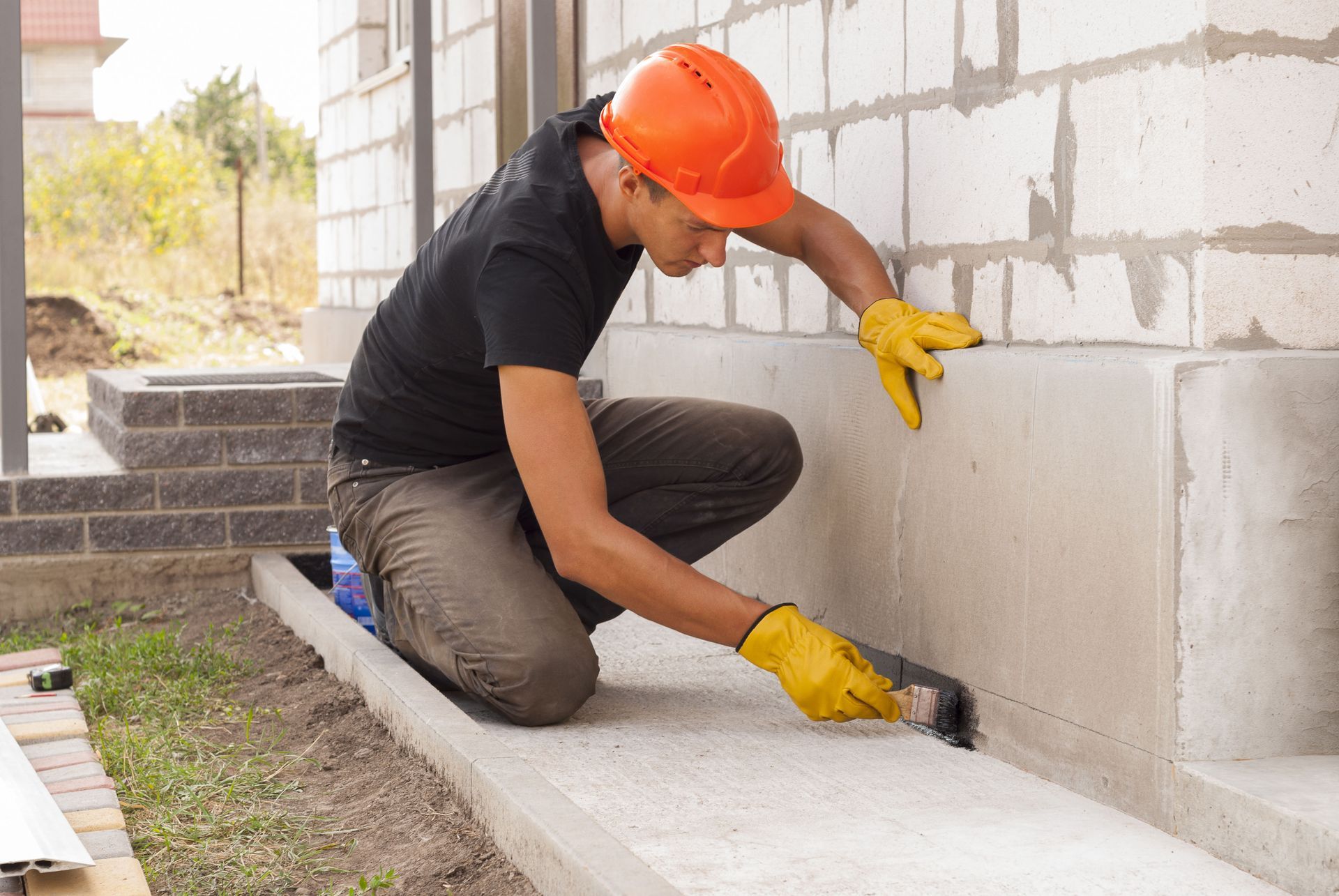
Waterfront homes and commercial buildings face constant exposure to shifting soil and rising water levels. When water washes away protective sand barriers, foundation framing and retaining walls become vulnerable to cracking. Placing fresh sand along eroded slopes reinforces land banks and stops structural instability before it spreads.
Creating wide sand buffers absorbs wave energy before powerful water reaches seawalls or buildings. Reinforcing shoreline banks saves property owners from facing expensive structural repairs down the road. Regular shoreline maintenance preserves your property layout and protects your land investment. Adding clean sand to washed-out areas rebuilds lost acreage, helping you maintain full use of your waterfront yard.
Enhancing Construction and Land Projects
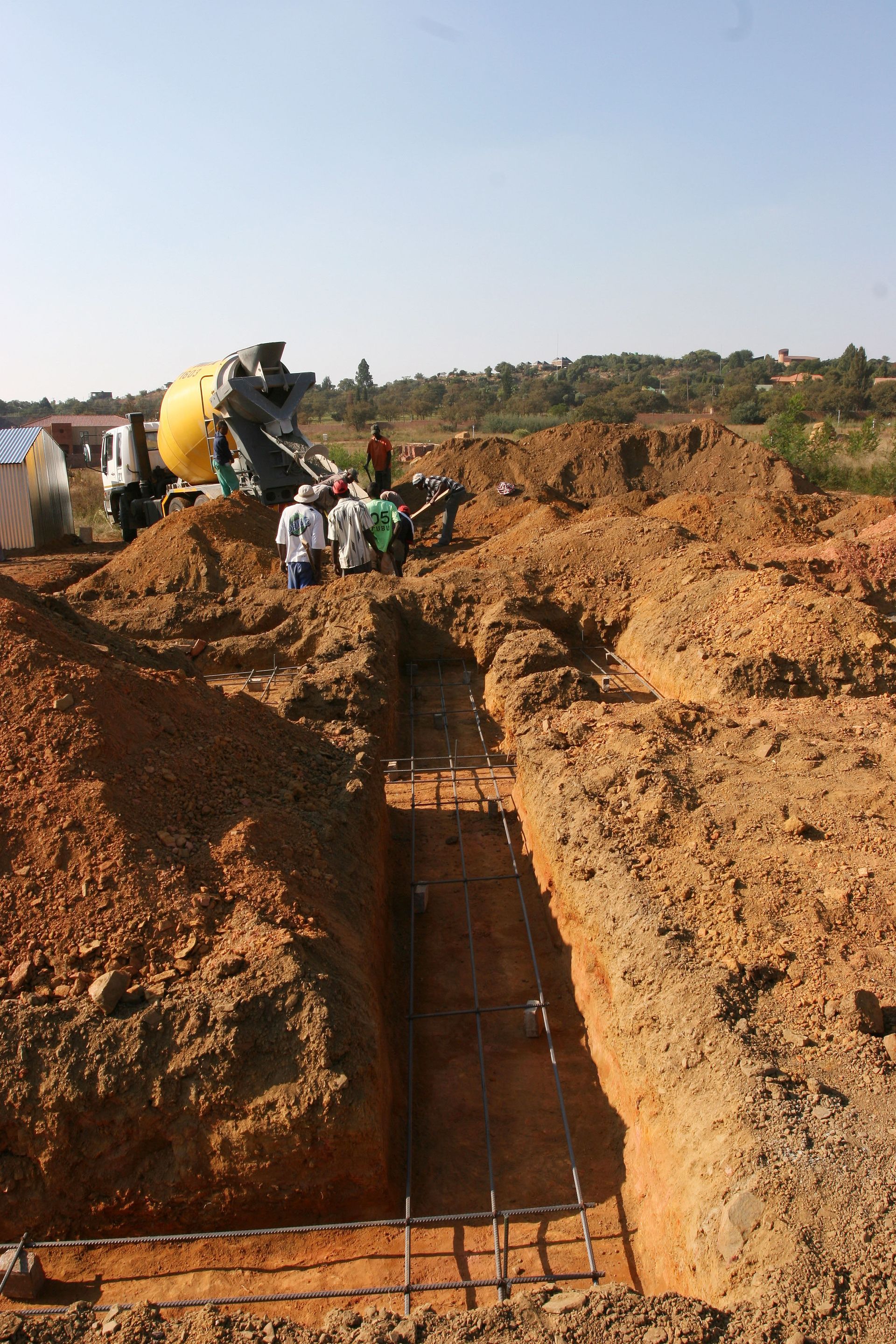
Constructing buildings or roadways along coastal environments requires a firm, stable base. Raw land often contains soft mud or uneven ground that cannot support heavy structural loads. Transporting clean sand onto low-lying acreage builds up ground elevation and creates a sturdy foundation for future building work.
Pumping slurry directly onto target sites fills low spots and levels uneven ground evenly. As the sand settles and water drains, it packs into a dense, solid sub-base suitable for construction. Preparing land with clean sand prevents settling issues and structural shifting later. Using clean sand as fill material provides excellent natural drainage, preventing standing water from pooling beneath future slabs or paved driveways.
Clearing Ponds and Retention Basins
Residential neighborhoods and golf courses rely on retention ponds to manage stormwater runoff during heavy downpours. As rain carries loose dirt into these basins, sediment settles at the bottom, reducing total water capacity. Utilizing sand pumping services to clear accumulated sand restores basin depth so ponds can handle heavy storm runoff properly.
Clearing bottom sediment restores proper water capacity and prevents unsightly mud flats from appearing during dry periods. Keeping retention basins deep supports healthy water flow and maintains property aesthetics. Routine pond clearing keeps drainage networks operating as intended. Removing excess sediment from retention ponds helps communities prevent storm overflow, keeping surrounding roads and lawns dry during heavy downpours.
Managing Project Equipment and Setup
Executing a successful sand movement project requires heavy-duty pumps designed to handle abrasive materials without clogging. Slurry pumps draw sand and water together, creating a moving mixture that flows smoothly through pipelines. Technical operators monitor pressure levels constantly to ensure steady material delivery across long distances.
Using heavy-duty equipment allows crews to move material from deep underwater locations that backhoes cannot reach. Pipeline networks can run across rough terrain or water surfaces to deliver sand exactly where needed. Professional equipment setups make difficult land-moving projects manageable and clean. Having the right pumps and skilled operators ensures that sand slurry moves at a steady pace without causing unwanted spills along the pipeline path.
Placing Pipelines for Direct Delivery
Positioning temporary pipelines ensures that sand arrives at exact target areas without disturbing surrounding land. Crews route flexible pipes around trees and existing buildings to protect property features. Direct pipeline delivery eliminates the need for heavy dump trucks driving back and forth across your lawn.
Controlling pipeline discharge points allows operators to place fill sand precisely where ground height needs raising. Workers direct the wet sand mixture, building up specific areas while letting water filter away safely. Precise pipeline placement keeps project sites organized and orderly. Crews work closely with property owners to lay out delivery routes that keep daily routines running smoothly while land improvement work takes place.
Managing land elevation and protecting shorelines requires practical knowledge alongside heavy-duty equipment. Professional sand placement provides a fast and reliable solution for shifting heavy sediment across your property. Partnering with experienced professionals who deliver sand pumping services ensures that your land moving project stays on schedule and meets your goals.
When you need dependable sediment relocation or shoreline restoration for your property, working with Gator's Sand Pumping LLC brings practical skills and friendly service to every land and water project. To discuss your sand moving needs or arrange an initial site evaluation, contact Gator's Sand Pumping LLC today.